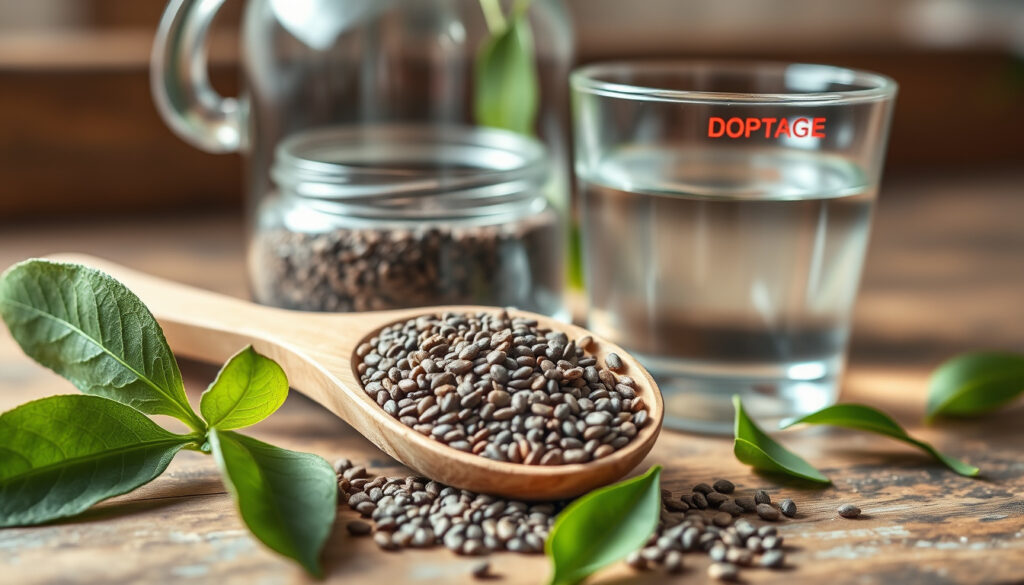
Chia Seeds Benefits: Dosage, Risks, and Proven Health Effects
Anyone who’s spooned chia seeds into a smoothie or overnight oats already knows the little seeds pack a nutritional punch. But with bold claims about weight loss, belly fat, and heart health floating around, this guide separates evidence from hype with current research on chia seeds benefits, daily dosage, precautions, and safe preparation.
Daily recommended intake: 15-30 grams (1-2 tablespoons) ·
Fiber per 28g: 11 grams ·
Omega-3 per 28g: 5 grams ALA ·
Calcium per 28g: 179 mg ·
Magnesium per 28g: 95 mg ·
Protein per 28g: 4.7 grams
Quick snapshot
- Chia seeds reduce LDL cholesterol (Harvard Health (public health authority))
- Chia seeds lower blood pressure (Harvard Health)
- Chia seeds increase satiety (Harvard Health)
- Chia seeds provide ALA omega-3 (Healthline (nutrition research))
- Direct effect on belly fat reduction (Harvard Health)
- Effectiveness for acid reflux in all populations (WebMD (clinical summary))
- Weight loss without other diet changes (Healthline)
- Over 60 clinical trials on chia seeds published since 2009 (PubMed (research database))
- Ongoing studies expected to clarify optimal dosage for specific conditions and long-term safety (WebMD)
Six key facts about chia seeds, one pattern: the numbers confirm the seeds are exceptionally dense in fiber, omega-3s, and minerals — but each benefit comes with a dosage guardrail.
| Fact | Value |
|---|---|
| Daily serving | 15-30 grams (1-2 tbsp) |
| Soaking time | 15-30 minutes minimum |
| Gel formation | 10x weight in liquid |
| Calorie per tbsp | 60-70 kcal |
| Fiber per tbsp | 5-6 grams |
| Protein per tbsp | 3 grams |
How much chia seeds should you eat a day?
Daily recommended dosage
- Most adults can safely consume 15–30 grams (1–2 tablespoons) per day (Harvard Health (public health authority)).
- Start with 1 tablespoon (about 9g fiber) and increase slowly while drinking at least 8 glasses of water daily (Healthline (nutrition research)).
Safety limits and warnings
- Exceeding 50g per day may cause digestive issues such as bloating, constipation, or abdominal discomfort due to the high insoluble fiber content (Healthline).
- Clinical trials have used up to 40g daily for up to six months without serious adverse effects (WebMD (clinical summary)).
Start small, stay hydrated, and never exceed 3 tablespoons unless a healthcare provider advises otherwise.
The implication: dosage discipline makes the difference between a beneficial addition and a digestive irritant.
What not to mix with chia seeds?
Foods to avoid with chia seeds
- Dry chia seeds should never be swallowed without liquid — they absorb up to 10 times their weight in water and can swell in the throat, creating a choking hazard (WebMD).
- Avoid adding chia seeds to very thick smoothies or dry snacks without enough moisture to allow proper gel formation.
Medication interactions
- People taking blood‑thinning medications (e.g., warfarin) should consult a doctor before consuming large amounts of chia seeds due to the high omega‑3 ALA content, which can theoretically enhance anticoagulation (Harvard Health).
- Chia seeds may lower blood pressure; combining them with antihypertensive drugs could cause an additive effect (Healthline).
Always soak chia seeds before consumption, and disclose your intake to your physician if you take prescription medications.
The catch: what you don’t mix chia seeds with matters as much as what you do — dry swallowing and certain meds pose real risks.
Do chia seeds reduce belly fat?
How chia seeds aid weight management
- The gel formed by chia seeds in the stomach increases fullness and decreases appetite, helping with calorie control (Harvard Health).
- A 1‑ounce serving provides 11g of fiber — nearly half the daily recommended intake for women — which slows gastric emptying (Healthline).
Evidence for belly fat reduction
- There is no direct scientific proof that chia seeds specifically target belly fat. Weight loss from chia seeds comes only when combined with an overall calorie deficit (Harvard Health).
- Reported short‑term weight loss in studies is modest, typically 1–2 kg over 12 weeks when included in a reduced‑calorie diet (WebMD).
Chia seeds are a useful tool for appetite suppression, but they won’t melt belly fat on their own.
The pattern: satiety yes, spot reduction no — belly fat loss requires a calorie deficit, not a single ingredient.
Do chia seeds reduce acidity?
Chia seeds for acid reflux and GERD
- The mucilaginous gel may coat and soothe the esophagus lining, potentially reducing irritation from stomach acid (WebMD).
- Some people report relief, but the effect is anecdotal and varies by individual; a high‑fiber diet can sometimes worsen reflux in sensitive individuals.
Mechanism of action
- Fiber binds to excess bile acids and promotes rapid gastric emptying, which may reduce the time acid sits in the stomach (Harvard Health).
- Gel formation also buffers stomach contents, but clinical trials specifically measuring GERD symptoms are lacking.
What this means: the gel-coating theory is plausible, but individual response varies — reflux sufferers should test cautiously.
What is the best time to eat chia seeds?
Morning vs evening consumption
- There is no universal best time. Morning consumption (e.g., in oatmeal or smoothies) may increase satiety throughout the day (Harvard Health).
- Evening intake (in yogurt or pudding) can aid digestion overnight and provide sustained energy release.
Pre‑ or post‑workout timing
- Consuming chia seeds 30–60 minutes before exercise may support hydration and provide a slow‑release energy source due to the gel‑forming fiber (Healthline).
- Post‑workout, they can be part of a recovery meal (e.g., with protein and liquids) to replenish glycogen and supply antioxidants.
Let your daily routine guide you: eat chia seeds with meals you already have, and always with adequate liquid.
The implication: flexibility is the real benefit — chia seeds fit any schedule as long as liquid is present.
How long do chia seeds need to soak?
Minimum soaking time
- Soak chia seeds for at least 15–30 minutes in liquid (water, milk, juice) to allow full gel formation. They absorb 10× their weight in liquid (Healthline (nutrition research)).
- Refrigerating the mixture overnight yields a thicker pudding‑like consistency while preserving nutrients.
Tips for proper preparation
- Use at least 6 tablespoons of liquid per 1 tablespoon of chia seeds for optimal texture.
- Stir after 5 minutes to prevent clumping, then let sit undisturbed.
What this means: soaking time directly affects safety and texture — under-soaked seeds risk clumping and poor digestion.
Who must not eat chia seeds?
Contraindications
- People with dysphagia (swallowing difficulties) or any history of esophageal stricture should avoid dry chia seeds due to choking risk (WebMD (clinical summary)).
- Individuals with inflammatory bowel disease (IBD) or diverticulitis may experience aggravated symptoms from the high insoluble fiber content; start with minimal amounts and monitor tolerance.
Choking risk for people with swallowing issues
- Case reports describe esophageal blockages after consumption of dry chia seeds followed by water — the seeds expand before passing the esophagus (Healthline (nutrition research)).
- Always pre‑soak or grind seeds for at‑risk individuals.
Chia seeds are safe for most adults, but anyone with swallowing difficulties, on blood thinners, or with digestive disorders needs medical guidance before adding them to their diet.
The catch: the same fiber and gel that make chia seeds beneficial also create real hazards for vulnerable groups.
Upsides
- High fiber promotes digestive regularity and satiety
- ALA omega‑3 helps lower blood pressure and cholesterol
- Rich source of calcium, magnesium, and phosphorus for bone health
- May improve blood sugar stability due to slow sugar absorption
Downsides
- Choking hazard if consumed dry
- Digestive discomfort when eaten in excess (>50g/day)
- Potential interaction with blood‑thinning medications
- Not a direct solution for belly fat loss
Steps to safely incorporate chia seeds
Basic preparation
- Step 1: Measure 1–2 tablespoons of chia seeds.
- Step 2: Mix with ½ cup (120 ml) of liquid — water, milk, or juice.
- Step 3: Stir well and let sit for 15–30 minutes, stirring once after 5 minutes.
- Step 4: Add to smoothies, oatmeal, yogurt, salads, or baked goods.
Progressive intake
- Week 1: Start with 1 tablespoon daily to assess tolerance.
- Week 2–3: Increase to 2 tablespoons if no digestive issues occur.
- Long‑term: Stay within 15–30g daily and maintain water intake.
Following these steps reduces the risk of digestive upset and ensures you actually benefit from the fiber and omega‑3s rather than fighting bloating.
Confirmed facts vs. what remains unclear
Confirmed facts
- Chia seeds reduce LDL cholesterol (Harvard Health)
- Chia seeds lower blood pressure (Harvard Health)
- Chia seeds increase satiety (Harvard Health)
- Chia seeds provide ALA omega‑3 (Healthline)
What remains unclear
- Direct effect on belly fat reduction
- Effectiveness for acid reflux in all populations
- Weight loss without other diet changes
Expert perspectives
Chia seeds are a good source of fiber and omega‑3s that can help reduce blood pressure and improve cholesterol levels — but they’re not a magic bullet for weight loss.
— Harvard Health (public health authority)
The high calcium content in chia seeds supports bone health, and their soluble fiber can help steady blood sugar levels.
Because chia seeds absorb so much liquid, they can be dangerous if eaten dry — always soak them first to avoid choking.
Antioxidants in chia seeds help fight oxidative stress, which is linked to chronic inflammation.
— Healthline (nutrition research)
The evidence paints a clear picture for anyone considering adding chia seeds to their diet: the seeds deliver real benefits in fiber, omega‑3s, and minerals, but they demand respect for proper preparation and individual health conditions. For the person looking to improve heart health markers or manage appetite, a daily serving of 1–2 soaked tablespoons is a low‑risk, high‑reward choice. For someone with swallowing difficulties, on blood thinners, or expecting spot reduction of belly fat, the decision is equally clear: proceed only with medical counsel, or look elsewhere for those specific goals.
bowtie.com.hk, draxe.com, mayoclinichealthsystem.org, rxlist.com
Frequently asked questions
Can chia seeds cause digestive problems?
Yes, many people experience bloating, gas, or constipation when they start with too large a dose or don’t drink enough water. The high insoluble fiber content (85-93%) is the main cause. Start with 1 tablespoon and increase slowly while staying hydrated (Healthline).
Do chia seeds need to be ground?
Not necessarily. Whole chia seeds can be digested, but grinding increases the bioavailability of omega‑3s. For maximum nutrient absorption, some experts recommend grinding, especially if you’re eating them for ALA (WebMD).
Are chia seeds safe during pregnancy?
Yes, in moderate amounts (1–2 tablespoons per day) they are generally considered safe and can provide iron, calcium, and fiber. However, pregnant women should consult their healthcare provider because of potential interactions with prenatal supplements and the need for hydration (Harvard Health).
Can chia seeds help lower cholesterol?
Studies indicate that regular consumption of chia seeds can reduce LDL (“bad”) cholesterol by up to 10% in some individuals, thanks to the soluble fiber that binds bile acids (Harvard Health).
How do chia seeds compare to flax seeds?
Both are rich in omega‑3s, but chia seeds have more fiber (11g vs 8g per ounce) and slightly more calcium. Flax seeds offer higher lignan content (antioxidants) and may be better for hormone balance if ground (Healthline).
Can chia seeds help you lose weight?
They can support weight loss by promoting satiety and reducing overall calorie intake, but they are not a standalone weight-loss tool. Consistent effects require a calorie‑controlled diet and physical activity (WebMD).
Are there any chia seed benefits for skin?
Indirectly — the omega‑3s and antioxidants in chia seeds may help reduce inflammation that contributes to acne and skin aging. However, topical application of chia seed oil is not well studied.
What is the best way to prepare chia seeds?
Soak 1–2 tablespoons in ½ cup of liquid for at least 15 minutes. Mix into smoothies, oatmeal, yogurt, or baked goods. Never eat them dry (Healthline).
More related posts
 Ip Man: The True Story Behind the Wing Chun Grandmaster
 Ty Doran: Height, Age, and Manifest Role Explained
 5 Foot 10 in cm: Exact Conversion and Common Questions
 Monica Bellucci: Biography, Career, Children, Marriages & More
 When Is Daylight Savings – 2024 & 2025 Dates and Rules
 Peter Allen Cause of Death: Debunking Myths and Facts
 Valerie Mahaffey: Emmy Winner Dies at 71 from Cancer
