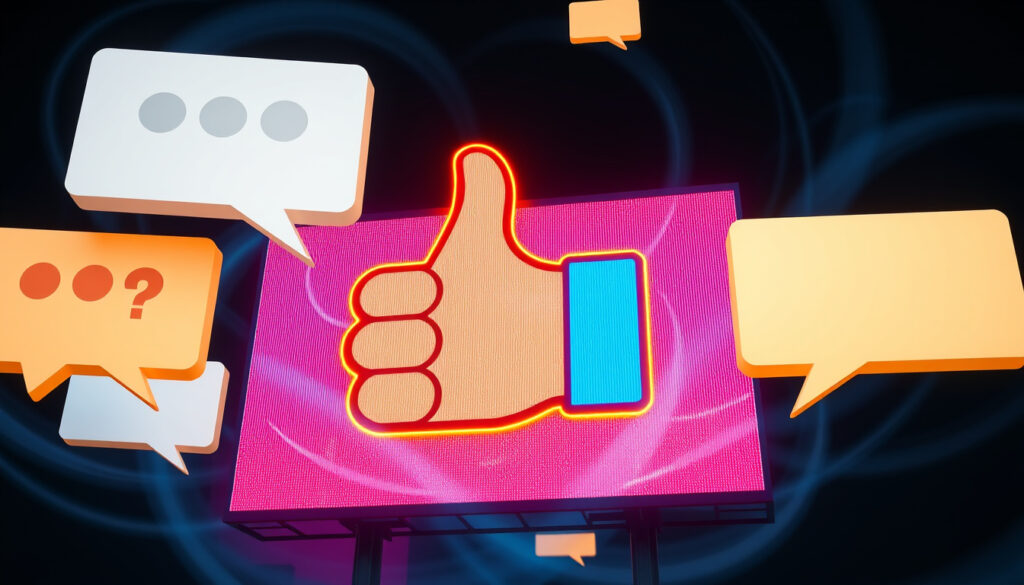
Thumbs Up Emoji 👍: Meaning, Controversy & Replies
You send a quick 👍 to say “sounds good.” The person on the other end reads it as “okay, now leave me alone.” That gap—one emoji, two entirely different messages—has sparked one of the liveliest debates in digital communication. The thumbs up has always been the internet’s way of saying yes, but to Gen Z it increasingly reads as dismissive, passive-aggressive, or just plain lazy.
Unicode code point: U+1F44D · Primary meaning: Approval or agreement · Common contexts: Texting, social media · Controversy note: Passive-aggressive to Gen Z · Top source: Emojipedia
Quick snapshot
- Thumbs Up Sign carries Unicode U+1F44D (NDTV)
- Gen Z born between 1995 and 2010 view thumbs-up as sarcastic or hostile (Psychology Today)
- 2021 consumer research ranked thumbs-up as top emoji making senders look old to 16-29 year olds (Psychology Today)
- How often sarcastic intent is genuinely misinterpreted
- The exact threshold where overuse becomes semantic satiation
- 2021: Research identifies thumbs-up as aging emoji (Psychology Today)
- March 2022: Academic research confirms shifting attitudes among young people (Psychology Today)
- July 17, 2024: World Emoji Day debate peaks (NDTV)
- Heart and sparkle emojis gaining ground with younger users
- Professional settings increasingly requiring generational context awareness
| Label | Value |
|---|---|
| Emoji Name | Thumbs Up Sign |
| Unicode | U+1F44D |
| Primary Use | Approval |
| Key Controversy | Passive-aggressive to some |
What does a 👍 mean?
At its most straightforward, the thumbs up emoji means “yes,” “okay,” or “I agree.” It signals approval, acknowledgment, or understanding. That simplicity is exactly why it became one of the most-used emojis across texting, email, Slack, and beyond.
In texting
In casual texting, 👍 typically closes a conversation thread. Someone asks if you’re still meeting at 7 p.m., you reply “👍” to confirm. It replaces “yep,” “sounds good,” or “will do.” The problem is that this shorthand strips away tone. The same emoji that says “got it” in one thread reads as cold dismissal in another.
As agreement or yes
In group chats and team settings, thumbs up often serves as a vote or seal of approval. “Should we order pizza?” gets a cascade of 👍 reactions. This is where older generations and younger users align—the emoji works as a functional yes. Where they diverge is the emotional residue it leaves behind.
Unicode details
The thumbs up emoji is formally designated U+1F44D. It belongs to the “Gesture” emoji subset in Unicode 6.0, which shipped in 2010. Since then, it has become one of the most universally recognized digital symbols across platforms, though its interpretation has quietly shifted in recent years.
Is the 👍 emoji always positive?
No—and this is where communication breaks down. The same thumbs up that signals enthusiastic agreement to a 45-year-old manager reads as dismissive or even hostile to someone born in the late 1990s.
Sarcastic uses
Gen Z doesn’t just tolerate sarcastic thumbs up—it uses it deliberately. Among peers, a lone 👍 can mean “oh, that’s rich” or “sure, whatever.” It becomes a tool for irony, not affirmation. That reappropriation has made the emoji feel loaded even when the sender had no such intent.
Passive-aggressive perceptions
Psychology Today links this shift to semantic satiation: when a signal gets overused, it loses emotional resonance and can flip to its opposite. The thumbs up has been deployed so often as a dismissive acknowledgment—replacing actual engagement—that younger users now hear “not interested” when they see it.
Generational differences
Research published in March 2022 documented changing emoji attitudes among young people. A 2021 consumer study of 2,000 people aged 16 to 29 ranked thumbs up as the emoji most likely to make someone look old. Mail Online reported in 2024 that Gen Z actively avoids both thumbs up and the crying-laughing face emoji.
Keith Broni, Emojipedia editor-in-chief, advises that senders should consider their audience before using thumbs up—particularly in professional settings where Gen Z colleagues may read the gesture as dismissive rather than affirming.
Can a 👍 be used sarcastically?
Absolutely, and this is central to the controversy. Sarcasm is baked into how Gen Z uses thumbs up, which means a sender’s intent and a receiver’s interpretation often mismatch.
Context matters
The same thumbs up can mean genuine affirmation in one thread and cutting sarcasm in another. Among friends who share cultural context, the irony reads clearly. Between colleagues or across generational lines, the ambiguity becomes a liability. A manager who sends 👍 after an intern’s presentation thinks they’re being encouraging. The intern may feel patronized.
Examples in memes
Viral meme formats haveamplified thumbs up’s sarcastic connotations. Screenshots of workplace thumbs ups captioned “when your boss thinks you’re grateful” circulate widely on Instagram and TikTok, reinforcing the perception that the emoji has been colonized by older generations. Gen Z uses it knowingly as a meme among peers precisely because its double meaning is now widely understood.
Controversy overview
The New York Post ran the headline “Gen Z canceled the ‘hostile’ thumbs-up emoji.” Daily Mail framed it as: “Why nothing betrays your age like an emoji.” The controversy peaked on World Emoji Day, July 17, 2024, when the debate went mainstream. But beneath the headlines, the real tension is between intent and reception—and that gap is widening.
A Reddit thread sparked the broader conversation where Gen Z users called thumbs up rude and hostile. The backlash followed earlier controversies over the crying-laughing face and clapping emojis, suggesting a pattern: each emoji that goes mainstream eventually gets reappropriated or rejected by the generation that grew up with it.
How to reply 👍?
Getting a thumbs up response can feel anticlimactic—especially if you were hoping for engagement. Here’s how to respond and what alternatives to consider depending on the context.
Simple responses
If you receive a thumbs up and want to acknowledge it without escalating, try: “Sounds good!” or “Thanks, got it!” These phrases match thumbs up’s efficiency while adding warmth. They’re safe in professional contexts and don’t invite further conversation if you’re looking to close a thread.
Flirty comebacks
Receiving a lukewarm 👍 from someone you’re interested in? A playful response can shift the tone: “That deserves more than a thumbs up 😉” or “I was hoping for emojis, not a grade.” Keep it light—the goal is to restart the conversation on warmer terms without seeming annoyed.
Context-based replies
Consider who sent the thumbs up and why. A colleague confirming project details probably expects the thread to end—respond with “All set, thanks!” A friend reacting to your plans? A heart emoji or sparkle reaction signals you got their message and appreciated it. Matching the sender’s tone while slightly upgrading warmth often works best.
Does 👍 mean yes?
Often, yes. But “yes” and “I heard you” are not the same message—and that distinction is where most miscommunication happens.
Affirmative uses
In transactional contexts—confirming a time, approving a request, acknowledging receipt—thumbs up functions as a clear yes. Someone asks “Can you send the file?” and you reply with 👍. That’s affirmative. The issue arises in relational contexts where engagement matters more than confirmation.
Alternatives
If you want to signal agreement without the thumbs up’s baggage, alternatives include: “Sounds good!” or “Thanks, I got it!” for professional settings, a heart emoji or sparkle reaction for warmth, or even “Done 👍” to pair the emoji with clearer confirmation. Some defend the raised eyebrow emoji as better for sarcasm, though it carries its own complications.
Cultural notes
In some cultures, the thumbs up gesture carries different weight—the actual physical gesture is offensive in parts of the Middle East, Asia, and South America. While the emoji doesn’t carry the same connotations, digital communication increasingly crosses cultural lines, making emoji literacy a genuine consideration for international messaging.
The more thumbs up gets used as a dismissive “I’ve seen this, move on” signal, the more Gen Z will read it that way—even when the sender meant it as genuine affirmation. Semantic satiation is a one-way ratchet in digital communication.
How to Reply to a Thumbs Up Emoji
Whether you’re on the receiving end or wondering how to respond more warmly, here’s a practical guide:
- Match the sender’s tone — If a colleague thumbs-upped your proposal, a simple “Great, thanks!” closes the thread appropriately.
- Upgrade warmth slightly — Respond with “Thanks, got it!” instead of another 👍 to add a touch of personality.
- Use a warmer emoji — A heart or sparkle emoji signals engagement without requiring words, especially in casual chats.
- Acknowledge with words — “Perfect, I’ll get started” or “All set!” clarifies you received the message and moves the conversation forward.
- Playfully push back if needed — If a thumbs up feels too cold and you have rapport, try: “That deserves a real response 😉”
- Consider the generational context — With older colleagues or clients, thumbs up is still widely accepted—mirror their tone until you know the norms.
- For flirty replies — Try “Is that the best reaction I get?” or add a winking emoji to signal you wanted more enthusiasm.
What People Are Saying
For younger people (I’m 24 for reference) the thumbs up emoji is used to be really passive-aggressive. It’s super rude if someone just sends you a thumbs up.
— Anonymous user, 24, via The Independent
I had to remember [my colleagues] are older, because I use it sarcastically.
— Hafeezat Bishi, 21-year-old intern, via JOE.ie
There is definitely a more sinister passive-aggressive or sarcastic side to the face. It’s got an ‘oh really’ expression.
— Ellie York, 23, via JOE.ie
As with language, we should address who we are speaking to before sending them an emoji.
— Keith Broni, Emojipedia editor-in-chief, via NDTV
The Verdict
The thumbs up emoji is not broken—it’s evolved. What generations above 35 read as a friendly “got it,” Gen Z reads as dismissive or even passive-aggressive. This generational gap has turned one of the most functional emojis into a minefield of miscommunication, particularly in professional settings where mixed-age teams now communicate daily.
The pattern is clear: emoji literacy is becoming a workplace skill. Senders who understand their audience can avoid unintentional coldness; receivers who know the context can stop assuming the worst. For anyone managing cross-generational teams, the practical answer is straightforward: when in doubt, add a word. “Sounds good, thanks!” beats 👍 every time.
Related reading: Everybody Wants to Rule the World meaning
The thumbs up emoji 👍 sparks texting debates today, but its roots in history and cultural nuances explain generational divides like Gen Z’s aversion.
Frequently asked questions
What is the thumbs up emoji shortcut?
On most devices, type :thumbsup: in emoji picker search fields, or search “thumbs up” in the emoji keyboard. The Unicode code point U+1F44D ensures it renders consistently across platforms.
Is the thumbs up emoji rude?
To Gen Z, yes in many contexts—it can read as dismissive or passive-aggressive. To older generations, it’s almost always positive. The answer depends on who you’re messaging and their age group.
What does the thumbs up emoji mean in memes?
In meme culture, thumbs up often appears sarcastically or to mock older generations’ communication style. Viral formats pairing thumbs up with captions like “when your boss thinks you’re grateful” reinforce its reputation as a cold or patronizing gesture.
How is the thumbs up emoji used on social media?
On platforms like Twitter and Instagram, thumbs up works as a low-commitment engagement signal. Among younger users, it’s often replaced by hearts or fire emojis for genuine appreciation, while thumbs up may function ironically.
What are alternatives to the thumbs up emoji?
Warmer alternatives include heart emojis, sparkle reactions, or the fire emoji for enthusiasm. In professional settings, “Sounds good!” or “Thanks, got it!” conveys confirmation without the thumbs up’s baggage.
Why do some people hate the thumbs up emoji?
Gen Z specifically finds thumbs up cold, passive-aggressive, or insincere due to overuse. Psychology Today links this to semantic satiation—the emoji has been deployed so often as a dismissive acknowledgment that it now triggers negative associations for younger users.
Can a thumbs up emoji be flirty?
It can, but it’s an uphill battle given its reputation. If you want to flirt via emoji, hearts, sparkle, or winking faces tend to land warmer. A thumbs up alone usually reads as lukewarm at best.
More related posts
 Zak Crawley: Downfall, Break, Father, Ranking, and More
 Harris Dickinson: Relationship, Age Gap, and Movies
 Tom Burke: Biography, Height & Cleft Lip Myths
 Joe Jackson: Father, Manager, Cause of Death & Net Worth
 Free Credit Score Check Ireland: Guide to Score Improvement
 Statue of David – Location History Dimensions Florence
 Gary Lineker: BBC Suspension, Net Worth, and 2025 Exit
 Lamine Yamal: Age, Height, Salary, Injury & Messi Praise
