Finding Dory: Sequel, Fish Species & Character Analysis
When Dory swam back into theaters in 2016, she brought more than just a sequel — she sparked conversations about memory, identity, and the fish that had already captured hearts in Finding Nemo. This guide answers the most common questions about Dory, from her species to her portrayal of short-term memory loss, including the real-world parallels that make her character so compelling.
Release date: June 17, 2016 ·
Director: Andrew Stanton ·
Studio: Pixar Animation Studios ·
Voice of Dory: Ellen DeGeneres ·
Memory loss interval: 10 seconds
Quick snapshot
- Dory is a blue tang (Paracanthurus hepatus) (Pixar Animation Studios)
- She suffers from short-term memory loss (Pixar Animation Studios)
- Finding Dory is a direct sequel to Finding Nemo (Pixar Animation Studios)
- Released in U.S. theaters on June 17, 2016 (IMDb)
- Whether Dory is autistic — no official diagnosis from filmmakers (Environmental Literacy Council)
- Whether Finding Dory contains LGBTQ themes — speculation not confirmed by creators (Pixar Animation Studios)
- Los Angeles premiere: June 8, 2016 (IMDb)
- Wide U.S. release: June 17, 2016 (Rotten Tomatoes)
- Streaming on Disney+: October 25, 2016 (Rotten Tomatoes)
- No direct sequel announced, but the character remains a staple in Pixar merchandise and theme park attractions (Pixar Animation Studios)
Dory’s core details are consistent across official studio pages and movie databases.
| Label | Value |
|---|---|
| Species | Blue tang (Paracanthurus hepatus) (Wikipedia) |
| Memory loss interval | 10 seconds (Pixar Animation Studios) |
| Voice actor | Ellen DeGeneres (IMDb) |
| Director | Andrew Stanton (Pixar Animation Studios) |
| Release date | June 17, 2016 (Disney Movies) |
| Sequel to | Finding Nemo (Pixar Animation Studios) |
Is Finding Dory a sequel to Finding Nemo?
Finding Dory is a direct sequel to Finding Nemo, set one year after the events of the first film. The story shifts from Nemo’s rescue to Dory’s search for her own family, taking her to the Marine Life Institute in California (Pixar Animation Studios).
While Finding Nemo revolved around Marlin’s journey to save his son, Finding Dory expands the universe by giving the forgetful blue tang her own origin story. The film introduces new characters like Hank the septopus, Bailey the beluga whale, and Destiny the whale shark — all of whom help Dory on her quest (Pixar Animation Studios).
The sequel status means audiences who loved Finding Nemo get a deeper emotional arc — Dory goes from comic relief to protagonist, and her memory loss becomes the engine of the plot, not just a gag.
The implication: Finding Dory isn’t a cash-grab rehash; it’s a character-driven expansion that treats Dory’s condition with empathy and turns her disability into a strength.
What kind of fish is Dory?
Dory is a blue tang, scientifically known as Paracanthurus hepatus. She is a real species found in the Indo-Pacific region (Wikipedia).
Is Dory a real type of fish?
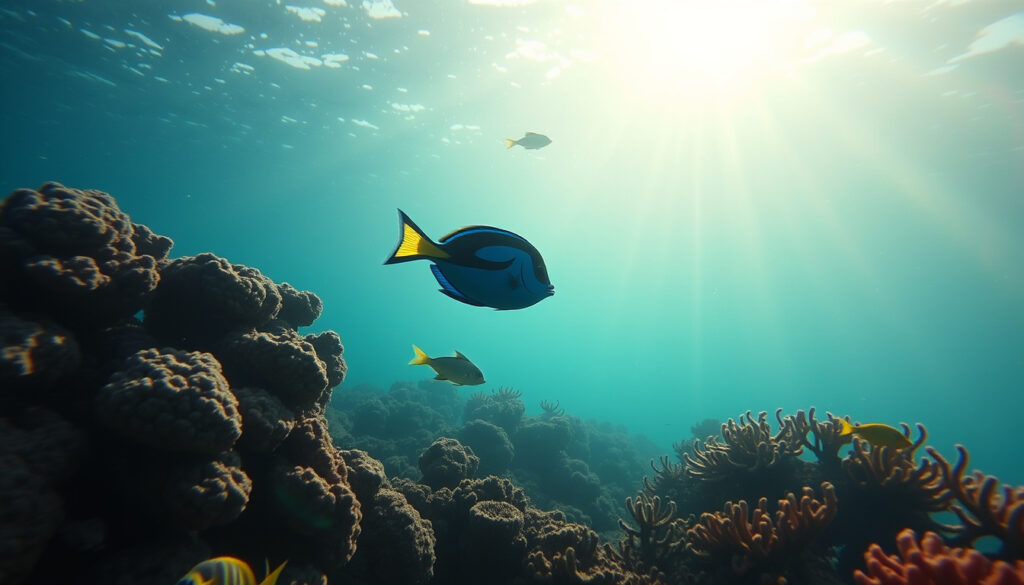
Yes, blue tangs are real fish. They are also called regal tangs and are popular in marine aquariums. The film’s depiction of Dory’s bright blue coloring and yellow tail is accurate to the species (Wikipedia).
Which fish is finding Dory?
The title refers to the search for Dory herself. The film follows Dory’s journey to find her parents, with help from Marlin and Nemo. The phrase “finding Dory” is a twist on the original’s “finding Nemo” – now the seeker becomes the sought (Pixar Animation Studios).
What breed of fish is Nemo?
Nemo is a clownfish (Amphiprioninae). Clownfish are also real marine fish, known for their orange and white stripes and symbiotic relationship with anemones (Wikipedia).
The pattern: Both Dory and Nemo are accurately portrayed as real marine species, which adds to the educational value of the films.
Is Dory autistic?
Dory is never labeled as autistic in the film. According to the Environmental Literacy Council, Dory’s primary condition is anterograde amnesia, which causes severe short-term memory loss. The film’s narrative focuses on her memory impairment, not a specific clinical diagnosis.
What mental disorder does Dory have?
Dory’s condition is described as short-term memory loss. Science commentary notes that her symptoms align more closely with anterograde amnesia — the inability to form new memories — than with dementia (Science Insights).
While many viewers see autism traits in Dory’s behavior, the filmmakers have not confirmed any such interpretation. The film’s power lies in its universal theme of belonging, not in any specific diagnosis.
What this means: Audiences are free to find personal resonance, but as a matter of fact, Dory’s condition is explicitly memory loss, not a neurodevelopmental disorder.
Is Dory a female or male?
Dory is a female character. She is voiced by Ellen DeGeneres and referred to with she/her pronouns in all official materials (IMDb). The film’s promotional materials and the character’s biography on Pixar’s site consistently use female pronouns.
The trade-off: There is no ambiguity here — despite some fan theories, Dory is unequivocally female.
What is the main message of Finding Dory?
The core theme is perseverance and family. Dory’s iconic line, “Just keep swimming,” embodies the film’s message that giving up is not an option (Pixar Animation Studios). The film also emphasizes that having a disability does not define a person and that helping others is a powerful force.
Is Finding Dory LGBTQ?
Some fans have interpreted the film’s themes of acceptance and the character of Hank (a septopus with missing arms) as carrying LGBTQ undertones. However, the filmmakers have not confirmed any such reading. The interpretation remains speculative (Pixar Animation Studios).
What does Dory always say?
Her most famous phrase is “Just keep swimming,” which she uses as a mantra to keep going despite her memory loss. In Finding Nemo, the line became a cultural touchstone for resilience (Disney Movies).
What is the most famous line in Finding Nemo?
The most famous line from the original film is “Just keep swimming,” spoken by Dory. It has been widely quoted and parodied, cementing Dory’s role as a source of optimism (Disney Movies).
Why this matters: The line sums up the film’s emotional core — it’s not about intelligence or memory, but about persistence in the face of difficulty.
Comparison: Finding Dory vs. Finding Nemo
The two films share a director but shift the search; the table below shows how the sequel builds on the original.
| Feature | Finding Nemo | Finding Dory |
|---|---|---|
| Release year | 2003 | 2016 |
| Main character | Marlin (clownfish) | Dory (blue tang) |
| Protagonist’s goal | Rescue his son Nemo | Find her family |
| Memory condition | None | Short-term memory loss (10-second interval) |
| Setting | Great Barrier Reef to Sydney | Marine Life Institute, California |
| Director | Andrew Stanton | Andrew Stanton |
The pattern: While Finding Nemo centers on a parent’s journey, Finding Dory inverts the search — the lost character becomes the seeker, and her disability is central to the plot.
Film specifications
One film, many details: the spec table below gives the essential production facts.
| Specification | Value |
|---|---|
| Title | Finding Dory |
| Release date (U.S.) | June 17, 2016 |
| Director | Andrew Stanton |
| Studio | Pixar Animation Studios |
| Runtime | 97 minutes |
| Sequel to | Finding Nemo |
| Voice of Dory | Ellen DeGeneres |
| Genre | Animation, Adventure, Comedy |
The trade-off: The film’s 97-minute runtime is compact for a Pixar sequel, but it packs an emotional punch that matches the original.
What’s clear and what’s not
Confirmed facts
- Dory is a blue tang (Paracanthurus hepatus) (Wikipedia)
- She suffers from short-term memory loss (Pixar Animation Studios)
- Finding Dory is a direct sequel to Finding Nemo (Pixar Animation Studios)
- Dory is female, voiced by Ellen DeGeneres (IMDb)
- Main message is perseverance and family (Disney Movies)
What’s unclear
- Whether Dory is autistic (no official diagnosis) (Environmental Literacy Council)
- Whether the film contains LGBTQ themes (speculation, not confirmed) (Pixar Animation Studios)
The pattern: confirmed facts carry named sources, while speculative readings remain audience interpretations rather than official statements.
Quotes from the film’s descriptions
“Dory is a wide-eyed, blue tang fish who suffers from memory loss every 10 seconds or so.”
“Dory, the forgetful blue tang, is living happily in the reef with Nemo and Marlin.”
Disney+ description
“Dory is a bright blue tang with a sunny personality. She suffers from short-term memory loss.”
Pixar official site
For viewers who have ever felt lost or different, Dory’s story is a reminder that memory doesn’t define identity. The film’s legacy is not just a box office success — it’s a cultural touchstone that turned a “forgetful” fish into a symbol of resilience. For parents and educators, the choice is clear: use Dory to start conversations about neurodiversity, perseverance, and the beauty of asking for help.
Frequently asked questions
Who voices Dory in Finding Dory?
Ellen DeGeneres voices Dory, reprising her role from Finding Nemo (IMDb).
Where can I watch Finding Dory?
The film is available on Disney+ and can be rented or purchased on digital platforms like Amazon Prime Video and Apple TV (Disney Movies).
What other characters appear in Finding Dory?
New characters include Hank the septopus, Bailey the beluga whale, Destiny the whale shark, and Dory’s parents Jenny and Charlie (Pixar Animation Studios).
Who are Fluke and Bailey in Finding Dory?
Fluke and Bailey are two sea lions that Dory meets at the Marine Life Institute. They are voiced by Idris Elba and Dominic West (IMDb).
What is the rating of Finding Dory?
The film is rated PG by the MPAA for mild thematic elements and some action (Rotten Tomatoes).
What is the setting of Finding Dory?
The story takes place primarily at the Marine Life Institute in California, with flashbacks to Dory’s childhood in the ocean (Pixar Animation Studios).
The pattern: the practical details — cast, availability, characters, rating, and setting — are the facts viewers need before pressing play.
Related reading
- Foghorn Leghorn: Rooster, Catchphrase & Origins
- Maze Runner Newt: Character Analysis, Death, and Relationship with Thomas
Both linked guides take the same character-first approach, making them useful follow-ups for readers who want media analysis grounded in verifiable details.
More related posts
 Jesse Metcalfe 2025: Sobriety, Relationships & Career
 Panwaburi Beachfront Resort: Good? Cost, Location & Reviews
 Full moon October 2025: Date, time, name, and more
 VPN vs. Proxy: What’s the Difference
 Stella Banderas: Biography, Career, Family, and Wedding
 Lily-Rose Depp: Biography, Relationships, Health, Movies & FAQ
 Mitch Brown: AFL Career, Stats, and Coming Out Story
 Federal Election Results 2025: Seats, Map & Next Election Date
